Author: Esther Hazel Bramford. Publisher: matesnicemesh Companion Conversation Review.
A friend can enjoy hearing about a game without wanting to play it. That small distinction changes a recommendation. Instead of sending a score and asking someone to beat it, describe what caught your attention: a visual detail, a clear help panel or a surprising change of pace. The invitation then leaves the next step with the person receiving it.
Make the recommendation useful
At matesnicemesh, the card names and linked page names do not always match. Say which page you opened, alongside the card that led there. A friend looking for Dazzling Mesh Parade may arrive at Crown Strike and wonder whether the link was wrong. Naming both is a practical courtesy; it does not establish that their feature descriptions are interchangeable.
Separate an observation from a claim about future rounds. Saying that you liked a particular animation reports your experience. Saying that the game is ready to give another large result predicts something you have not established. A clear social gaming recommendation can be warm and enthusiastic while leaving uncertain mechanics and outcomes uncertain.
Before sending a link
- Name the page and the detail that interested you.
- Explain that the site describes play with free virtual credits.
- Ask whether your friend wants to look, rather than assuming.
- Leave them free to decline or choose another activity.
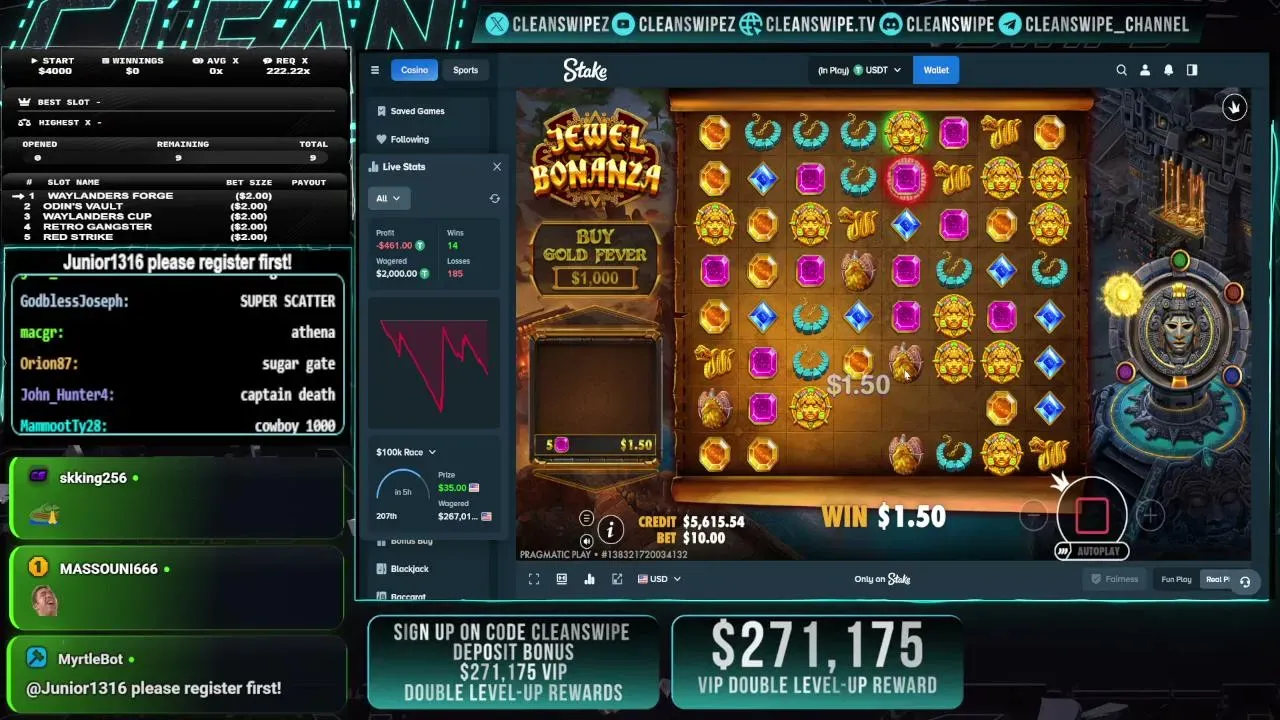
A screenshot of a result also needs context. It records a moment, not the whole visit or an expected pattern. Avoid presenting someone else’s display as a target. If a rule question comes up, return to the help panel together. The article on card names and game rules explains where that check begins.
Give company different forms
Sharing a room does not require sharing every action. One person may enjoy watching symbols move, another may prefer discussing the theme, and someone else may want the sound off. Ask about those preferences early. A quiet spectator is participating on their own terms; there is no reason to hand them the device simply to make everyone take a turn.
| Format | Useful agreement |
|---|---|
| Watching one screen | The person holding it controls each action. |
| Taking turns | Each person may finish or pass whenever they wish. |
| Separate devices | Conversation does not require matching results. |
Different balances are a poor basis for a casual comparison when the starting points, settings and games differ. Even identical displays need not mean identical experiences. You can compare readability, sound or the clarity of a feature explanation instead. These observations give everyone something concrete to discuss without creating a ranking.
Keep the invitation comfortable
- Ask before turning on sound or sharing someone’s screen.
- Avoid sending repeated reminders to join a session.
- Welcome a change of subject or a decision to stop.
Agree on comfortable turns
For a shared device, decide how a handover happens before anyone begins. Passing after a chosen interval is easier to understand than waiting for a dramatic result. Let the current action finish, then explain what is visible on the screen. Do not tap on another person’s behalf while they are reading; a suggestion and an action are different things.
In 2026, messages and phone alerts can interrupt even a short catch-up. Treat an interruption as permission to pause, rather than pressure to hurry. If the game reloads, read its state before continuing. Our notes on finding your place after a browser break cover the website and game controls separately.
A useful ending can be ordinary: put the device down, make a drink or return to the conversation you started. Free credits do not make time unlimited, and a group need not stay until everyone sees the same feature. Social gaming fits more comfortably into an evening when the company remains interesting after the screen has gone dark.
Author’s opinion
I value recommendations that tell me what someone noticed and allow me to make my own choice. A shared game does not need a winner outside the game itself. My preference is for flexible turns, room for spectators and an ending chosen by the people present. If the conversation outlasts the playing, I would count that as a pleasant evening.